
OSHA has a big hand in the operation of lift trucks. Since 1999 when OSHA began requiring forklift operator training and certification, thousands of lives have been saved, even more injuries avoiding and the economic and societal impacts have been minimized. The origins of OSHA and the following training requirements, along with many other regulations did not form from thin air. Let’s take a look at the why OSHA formed and where it has taken us.
The Origins of OSHA
OSHA — the Occupational Safety and Health Administration — was created in 1970, but it didn’t just appear out of nowhere. It was the result of decades of dangerous working conditions, rising worker activism, and growing public pressure.
1. Dangerous Industrial Conditions (Late 1800s–Mid 1900s)
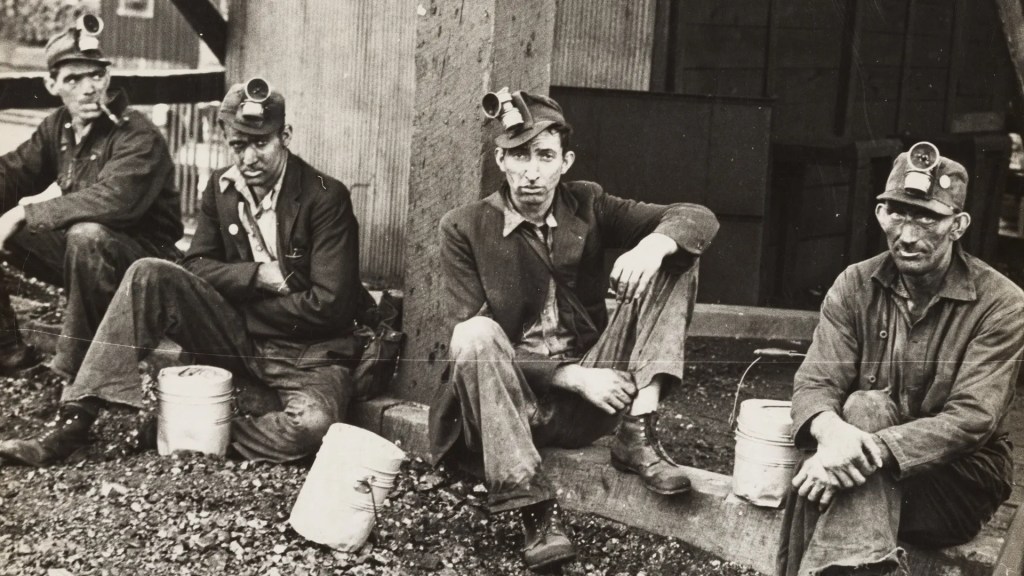
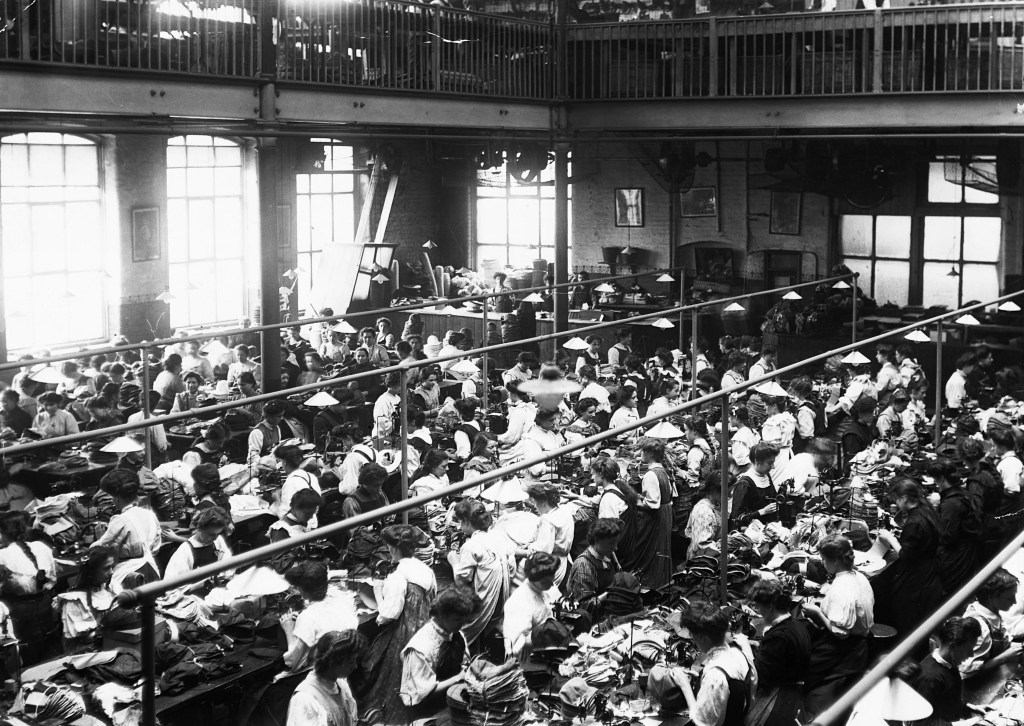
During the Industrial Revolution and into the 20th century:
- Factories had no federal safety standards
- Workers (including children) faced:
- Toxic chemicals
- Unsafe machinery
- Mine collapses
- Fires and explosions
- Injuries and deaths were extremely common
A turning point was the 1911 Triangle Shirtwaist Factory fire, where 146 garment workers died because doors were locked and fire escapes failed. It shocked the nation and sparked early workplace reform efforts — but regulations remained mostly at the state level and were inconsistent.
2. Worker Movements & Unions Push for Change
Labor unions throughout the early and mid-1900s fought for:
- Safer workplaces
- Workers’ compensation laws
- Federal oversight
By the 1960s, workplace injuries were still alarmingly high:
- About 14,000 worker deaths per year
- Roughly 2.5 million disabled annually
- Little federal enforcement power
Public awareness grew as investigative journalism exposed hazardous conditions in factories, mines, and chemical plants.
3. Political Action in the 1960s
In 1968, a coal mine explosion in West Virginia killed 78 miners. This tragedy increased pressure on the federal government.
President Richard Nixon responded by proposing comprehensive workplace safety legislation.
4. The Occupational Safety and Health Act (1970)
In December 1970, Congress passed the Occupational Safety and Health Act, which:
- Created OSHA
- Required employers to provide a workplace “free from recognized hazards”
- Allowed federal inspections
- Set enforceable safety standards
- Protected workers who report violations
OSHA officially began operating in April 1971.
Since OSHA was created:
- Workplace deaths have dropped by over 60%
- Injury rates have significantly declined
- Employers must follow national safety standards
- Workers can file complaints without retaliation
In Simple Terms
OSHA became a thing because:
- Workplaces were extremely dangerous
- Workers demanded protection
- Public tragedies created national outrage
- The federal government finally stepped in with enforceable laws
How OSHA Has Affected Workplace Safety Since 1970
Since the passage of the Occupational Safety and Health Act of 1970, workplace safety in the United States has improved dramatically. The law created the Occupational Safety and Health Administration (OSHA), giving the federal government the authority to establish and enforce national workplace safety standards. Over the decades, OSHA has helped transform how businesses approach employee health and safety.
Significant Reduction in Workplace Fatalities
One of the most measurable impacts of OSHA has been the reduction in worker deaths. In 1970, about 14,000 workers were killed on the job each year in the United States, even though the workforce was much smaller. Today, the number of annual workplace fatalities is significantly lower relative to the size of the workforce, despite the U.S. labor force more than doubling. This decline reflects improvements in safety procedures, training, equipment design, and regulatory oversight.
Lower Injury and Illness Rates
Workplace injuries and illnesses have also declined substantially since OSHA was established. Industries such as manufacturing, construction, warehousing, and mining—once among the most dangerous—have seen major improvements. OSHA standards require employers to identify hazards, implement safety procedures, and provide protective equipment, which has helped reduce accidents involving machinery, chemical exposure, falls, and vehicle-related incidents.
National Safety Standards
Before OSHA, safety rules varied widely from state to state, and many workplaces had little or no oversight. OSHA created consistent national standards covering areas such as:
- Machine guarding
- Fall protection
- Hazard communication for chemicals
- Personal protective equipment (PPE)
- Powered industrial truck (forklift) operation
- Lockout/tagout procedures for equipment maintenance
These standards give employers clear guidelines for protecting workers while also creating accountability through inspections and enforcement.
Stronger Safety Culture
Beyond regulations, OSHA has helped create a culture of workplace safety across American industries. Safety training programs, hazard assessments, reporting systems, and employee safety committees are now common in workplaces that once had minimal safety planning. Workers also gained the right to report unsafe conditions without fear of retaliation.
Ongoing Role in Worker Protection
Today, OSHA continues to play a key role in protecting workers by updating safety standards, conducting inspections, offering education and outreach programs, and responding to emerging workplace hazards. While workplace safety challenges still exist, the agency has had a lasting impact on reducing injuries, saving lives, and improving working conditions across the United States.
In short, OSHA has helped turn workplace safety from an afterthought into a core responsibility for employers and a fundamental right for workers.
Workplace safety has come a long way since the creation of OSHA, but maintaining a safe environment still depends on ongoing training, awareness, and commitment from both employers and employees. One of the most effective ways to reduce accidents in warehouses and industrial facilities is through proper forklift operator training that meets OSHA requirements and emphasizes real-world safety practices. The professionals at Union Machinery provide expert forklift operator safety training for businesses throughout the Union Missouri region, helping companies protect their employees, improve operational efficiency, and stay compliant with safety regulations. Investing in quality training today helps ensure a safer workplace for everyone tomorrow.


Leave a Reply